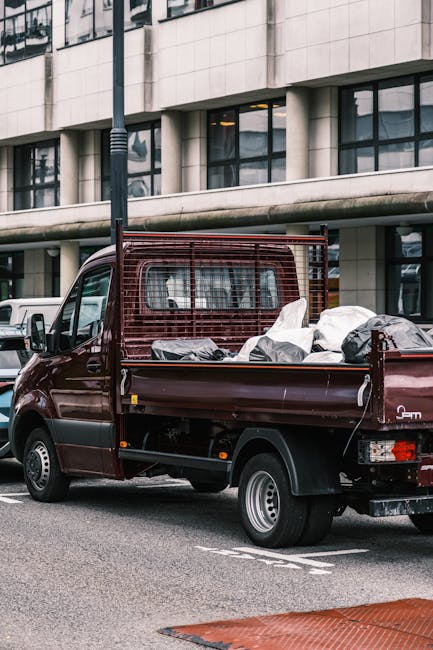
Priority junk clearance at Kew Bridge and nearby streets
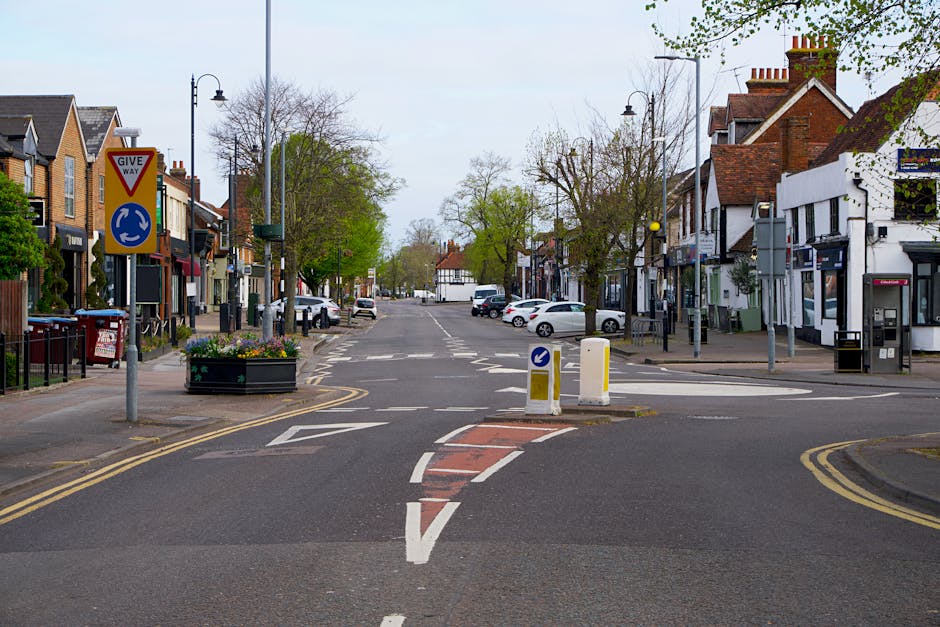
If you live or work near Kew Bridge, you already know how quickly unwanted items can get in the way. A hallway fills up with old furniture. A builders' pile sits by the kerb a little too long. A loft becomes one of those places where good intentions go to die. Priority junk clearance at Kew Bridge and nearby streets is about getting that clutter removed quickly, safely and without turning your week upside down.
This guide explains what priority clearance actually means, how it works on busy local streets, what to expect on the day, and how to avoid the usual headaches. Whether you are clearing a flat, office, garden, garage or a renovation site, the aim is the same: get the space back, keep things compliant, and do it with as little fuss as possible. Simple enough in theory. In real life, not always.
Why Priority junk clearance at Kew Bridge and nearby streets Matters
Kew Bridge and the surrounding roads are a mix of homes, flats, offices, trades, and busy transport corridors. That matters because junk clearance is not just about lifting bulky waste into a van. It is also about timing, access, noise, parking, safety and keeping neighbours on side. On a narrow street, the difference between a smooth clearance and a stressful one can be fifteen minutes and one awkwardly parked vehicle.
Priority service exists for the moments when waiting is not ideal. Perhaps you have a tenancy ending tomorrow. Perhaps a landlord needs a property cleared before viewings. Perhaps a shop fit-out has left boxes, timber offcuts and broken shelving piling up near the back entrance. Or maybe you have just had enough. Let's face it, once clutter reaches that stage, decision fatigue sets in and even a basic clearance starts feeling bigger than it should.
There is also a practical local angle. Streets near bridges, stations and main roads often experience tighter loading conditions and more stop-start traffic. That can make a same-day or time-sensitive collection especially valuable. If you arrange the job properly, a priority clearance can reduce disruption, keep access clear, and help you move on with the rest of the day.
Expert summary: Priority junk clearance is most useful when time, access and tidiness all matter at once. The best results come from good preparation, clear item lists and a provider that understands local conditions rather than just showing up and hoping for the best.
How Priority junk clearance at Kew Bridge and nearby streets Works
In practical terms, priority junk clearance usually means fast booking, a prompt arrival window, and a collection plan that matches the property and access points. The process is often straightforward, but the details matter. A one-bedroom flat on an upper floor with no lift is a different job from a ground-floor office with rear access, and the team should plan for that.
Most clearances begin with a description of what needs removing. You might send a list, photos, or a rough breakdown of the load. That helps estimate time, labour and vehicle size. Good planning avoids the classic problem where everyone arrives, takes one look at the pile and says, "Right... this is more than expected."
On the day, the crew should assess access, confirm the load, and remove items in a way that protects walls, floors, stairs and communal areas. If the clearance involves office paperwork, mixed waste, or anything sensitive, a separate handling process may be needed. For waste streams that need special care, it is sensible to review confidential shredding and hazardous waste disposal before booking.
After collection, the waste should be sorted for reuse, recycling or disposal where possible. A professional provider should be able to explain what happens next in plain English. If they can't explain it clearly, that is usually a sign to ask more questions.
What usually happens behind the scenes
- Photos or a description are reviewed to estimate the job.
- The team checks access, loading space and likely item types.
- Removal is scheduled for the fastest practical time slot.
- Items are lifted, loaded and sorted.
- Recycling or specialist disposal routes are used where appropriate.
Key Benefits and Practical Advantages
The biggest benefit is obvious: speed. When you need something cleared quickly, waiting several days can be awkward or costly. But the real value goes beyond speed. Priority junk clearance can also reduce stress, protect a property from damage and make a space usable again sooner.
For landlords and agents, a fast clearance can help a property move from "not ready" to "viewing ready" far sooner. For businesses, it can keep stock rooms, work areas and entrances clear so staff are not stepping around bags and broken furniture. For households, it can be the difference between a room being avoided and a room being useful again.
There is also a sustainability angle. A properly handled clearance should separate reusable furniture, recyclable metal, cardboard, wood and appliances where possible. If you are interested in what responsible disposal looks like, have a look at recycling and sustainability. It gives you a better sense of what a careful service is trying to achieve, not just what it is trying to take away.
| Benefit | Why it matters | Typical local example |
|---|---|---|
| Fast turnaround | Helps meet deadlines and reduces disruption | End-of-tenancy clearance before handover |
| Safer premises | Reduces trip hazards and blocked access | Clear corridors in a busy flat block |
| Better presentation | Makes homes and commercial spaces usable again | Office reception cleared before client visits |
| Responsible disposal | Supports recycling and proper waste handling | Furniture and appliances separated correctly |
Who This Is For and When It Makes Sense
Priority clearance is not only for emergencies. It is also for anyone who values time and wants the job done with minimal back-and-forth. That includes private residents, landlords, letting agents, office managers, tradespeople and small business owners.
It makes particular sense in the following situations:
- You are between tenants and need a flat cleared quickly.
- You have builders' waste building up after works and the site needs to look tidy again.
- A sofa, mattress or appliance is blocking access in a small property.
- An office is closing, moving or rearranging space at short notice.
- You need a garage, loft or garden cleared before an inspection, sale or event.
- You want to avoid a pile-up of bags and mixed waste outside the property.
If your job is mainly household clutter, a broader service such as home clearance or house clearance may fit better. For awkward small spaces, flat clearance is often the smarter choice. And for larger bulky items, especially old seating, mattress and sofa disposal can keep things simple.
Truth be told, the best option is usually the one that matches the mess. Not the other way round.
Step-by-Step Guidance
If you want the process to go smoothly, a little preparation goes a long way. Here is a sensible way to handle it.
- Identify everything that needs to go. Walk through the property and separate items into groups: furniture, rubble, bagged waste, electricals, garden waste, paperwork, and anything that may need special treatment.
- Check access. Note stairways, narrow hallways, parking limits, controlled entry, or loading restrictions. A two-minute check can save a lot of drama later.
- Take photos if needed. Good photos help with accurate planning and reduce misunderstandings. Try to include the full pile and the surrounding space.
- Flag special items early. Fridges, freezers, appliances, chemicals and confidential materials should always be mentioned up front. See fridge and appliance removal if white goods are part of the job.
- Confirm timing. If it is a priority job, make sure the collection window suits your deadline, delivery slot or inspection time.
- Clear a path. Move small obstacles out of the way so the team can work quickly and safely.
- Be ready to sign off the load. At the end, do a quick walk-through so nothing important has been taken by mistake. Happens more often than people think.
A useful trick is to keep one "do not remove" zone in the property. Label it if you need to. In a rush, people tend to point vaguely and say, "Everything in this corner can go." That can be a problem if chargers, documents or keys are hiding in there.
Expert Tips for Better Results
The small choices often make the biggest difference. A clear photo taken in daylight is more useful than a dim snap of a single bag at 11pm. A tidy access route saves more time than you might expect. And if the waste is sorted before collection, the job usually moves more smoothly.
Here are a few things that help in the real world:
- Group similar items together. It makes loading faster and helps with sorting.
- Separate reusable from damaged. If a chair, shelf or table still has life in it, say so.
- Keep sharp or broken items visible. Glass, metal edges and demolition debris need care.
- Tell the crew about parking or access constraints. Not all streets are easy at all hours.
- Use priority service for time-sensitive deadlines, not just convenience. That way you actually get the value you are paying for.
If the clearance is business-related, review business waste removal or office clearance so the work is matched to the setting. A commercial job needs a slightly different mindset, especially if staff, clients or building management are involved.
One more small thing: if you are clearing a place near a main road or active building site, try to avoid peak congestion where possible. It sounds obvious, but timing around traffic can save a real headache.
Common Mistakes to Avoid
A priority clearance can go badly for reasons that are surprisingly ordinary. The job is often not difficult; it is the preparation that trips people up.
- Underestimating the load. What looks like "a few bits" may actually be a full van once it is gathered together.
- Leaving mixed waste unsorted. Bagged general waste, timber, rubble and electricals all behave differently.
- Forgetting restricted items. Some items need separate handling and should never be left as an afterthought.
- Blocking access with personal belongings. Shoes, bikes, prams, bins and loose boxes can slow everything down.
- Booking too late. If you need a same-day or next-day slot, waiting until the deadline is already here is a gamble.
- Not checking what is included. Always make sure you understand the scope before the crew arrives.
Another common issue is assuming that every bulky item can be treated the same way. A wardrobe, a broken washing machine and a sack of plasterboard are not the same thing. Nor should they be handled as if they are. That distinction matters for safety, compliance and cost control.
Tools, Resources and Recommendations
You do not need specialist equipment to prepare for a priority clearance, but a few simple tools help more than people expect.
- Phone camera: good photos help with quoting and planning.
- Marker labels: useful for identifying keep, remove, recycle or confidential piles.
- Gloves and sturdy shoes: sensible if you are moving items around before the team arrives.
- Basic tape or string: helpful for bundling loose items such as timber or mats.
- Notepad or phone list: a quick checklist prevents last-minute omissions.
If you want to compare clearance types before booking, browse the relevant service pages. For example, builders waste clearance is a better fit for renovation debris, while garage clearance suits heavy mixed storage items. For larger domestic clear-outs, loft clearance can be the most practical route, especially where access is awkward and the space has been used for years.
When in doubt, ask for the simplest route that still covers the actual waste type. That usually keeps things tidy and avoids unnecessary backtracking.
Law, Compliance, Standards, or Best Practice
Clearance work in the UK should be handled responsibly, with proper attention to waste segregation, safe lifting, and the correct treatment of restricted materials. You do not need to memorise legislation to make a good decision, but you should expect a provider to work in a way that is sensible, safe and legally aware.
For the customer, the main best-practice points are fairly straightforward:
- Do not leave waste on the street unless a lawful arrangement is in place.
- Tell the provider about anything hazardous, sharp, heavy or contaminated.
- Keep confidential documents separate from general junk.
- Choose a service that explains disposal routes clearly.
- Make sure the team is insured and has a visible safety process.
If insurance, safety and on-site handling matter for your building or business, it may help to review insurance and safety and health and safety policy. For payment confidence and ordering, payment and security is also worth reading before you confirm anything.
Some items deserve extra care. Fridges, freezers, certain electrical appliances and anything classed as hazardous waste should be identified early. If you are unsure, ask before collection rather than hoping it will be fine. It usually will not be, and nobody wants a last-minute reshuffle on the pavement.
Options, Methods, or Comparison Table
There are a few different ways to deal with junk near Kew Bridge, and the right one depends on timing, volume and item type.
| Method | Best for | Pros | Trade-offs |
|---|---|---|---|
| Priority junk clearance | Urgent, mixed or bulky waste | Fast, flexible, minimal disruption | Needs clear instructions and accurate scope |
| Scheduled clearance | Non-urgent jobs with more time | Good for planning and sorting | May not suit tight deadlines |
| Room-specific clearance | Flat, loft, garage or garden jobs | Targeted and efficient | Less suitable for whole-property pressure jobs |
| Specialist item disposal | Appliances, sofas, mattresses, mixed office items | Safer handling of specific waste types | May need separate booking or item-by-item planning |
For smaller or more item-specific jobs, it can be smarter to use a focused service. A sofa that has seen better days belongs in mattress and sofa disposal, while broken cabinets or dining sets may sit better under furniture clearance or furniture disposal. There is no prize for forcing everything into one category.
Case Study or Real-World Example
Picture a fairly typical Friday afternoon near Kew Bridge. A small office has just finished downsizing. There are desk panels, old chairs, a printer, several bags of paperwork, broken storage units, and a few items nobody wants to admit belong to them. The space needs to be handed back the next morning. No room for delay.
The sensible approach is to separate the job into parts: confidential paperwork, reusable furniture, general office waste and anything that needs specialist disposal. The crew can then load the non-sensitive items first, deal carefully with the documents, and keep the exit route clear. The office goes from cluttered and awkward to usable and presentable in one visit. A bit of planning, a bit of common sense. That is usually all it takes.
Now compare that with the same office waiting until the evening before the handover, with no photos, no item list and no parking plan. Stress level: not ideal. The actual waste is the same, but the experience is completely different. That is why priority clearance works best when the customer is decisive and the provider is organised.
Practical Checklist
Use this checklist before your collection. It keeps things calm, and honestly, a calmer clearance is a better clearance.
- Walk through every room and identify all items to remove.
- Separate waste into furniture, electricals, bagged rubbish, garden waste, rubble and confidential material.
- Take clear photos of larger piles or awkward access points.
- Check for parking, loading, lift or stair restrictions.
- Move small personal items out of the clearance area.
- Flag any appliances, fridges, hazardous items or fragile waste.
- Confirm the collection time and contact details.
- Keep important documents, keys and valuables in a separate place.
- Plan a final walk-through before the team leaves.
If the job is likely to grow beyond a few items, it may be worth looking at waste removal more broadly so the service fits the real volume of material. That one decision can save a lot of back-and-forth.
Conclusion
Priority junk clearance at Kew Bridge and nearby streets is about more than speed. It is about restoring order quickly, working safely in a busy local area, and choosing a clearance approach that matches the property, the waste and the deadline. Done well, it feels almost like a reset button. The room opens up again, the hallway breathes a little, and the pressure drops.
If you are planning a clearance soon, the best next step is to get your items grouped, your access checked and your priorities clear. That way you are not scrambling when the collection window arrives. And if you want the process to feel simpler from the start, book with a team that can handle the practical details without making a fuss about them.
Get a free quote today and see how much you can save.
Sometimes clearing space is really just making room for the next decent bit of life. That is worth doing properly.
Frequently Asked Questions
What does priority junk clearance mean?
It usually means a faster-response clearance service for items that need removing quickly, whether because of deadlines, access issues or a property handover.
Is priority junk clearance suitable for flats near Kew Bridge?
Yes, especially where stair access, narrow hallways or time-sensitive moves make a quick and organised collection more practical.
Can you clear bulky furniture on a priority basis?
Yes. Sofas, wardrobes, tables, mattresses and mixed furniture can often be handled quickly if access and item details are provided in advance.
What should I tell the team before the collection?
Share the item list, access details, parking constraints, floor level, and whether there are any appliances, confidential documents or hazardous materials.
How do I prepare my property for a fast clearance?
Group items together, make a clear path, keep valuables separate and label anything that should not be removed. A little prep saves time on the day.
Can office waste be included in a priority clearance?
Yes, though office jobs often need extra attention for paperwork, electronics and furniture. A clear description helps the job run smoothly.
What happens to the waste after collection?
Responsible providers should sort items for reuse, recycling or proper disposal where possible, rather than sending everything to the same place.
Are appliances like fridges and freezers included?
They can be, but they should be mentioned early because appliances often need separate handling. See the relevant appliance removal page before booking if needed.
Is priority clearance more expensive than a standard booking?
It can be, because faster scheduling and extra labour may affect the quote. The exact price depends on volume, access and the waste type.
What if I only have a small pile of junk?
Then a smaller, more targeted service may be better. A full priority clearance is not always necessary for a few items, to be fair.
Can hazardous items go in with general waste?
No, not usually. Hazardous waste should be declared separately so it can be handled in line with the appropriate process.
How do I choose the right service for my situation?
Match the service to the actual waste. Flat, house, loft, garage, garden, office and builders' waste all have different practical needs, so the best choice depends on the job rather than the postcode alone.
If you want to compare options or understand the process in more detail, reviewing the site's service pages is a sensible place to start. It saves time, and it tends to prevent those awkward "Oh, I thought that was included" moments.